About Effluent Treatment Plant Manufacturers In Delhi NCR
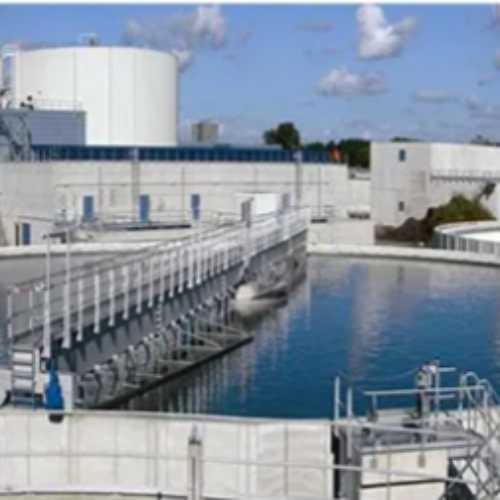
Our company offers high quality Effluent Treatment Plants. We offer customers effluent treatment plants that are sophisticated & innovative solution to purify the industrial effluent water. . Our range of effluent treatment systems are used in most of the effluent parameters of factories and are designed to effectively solve the environmental pollution problem created by waste water of a company (without exposing it to the environment).
We Design, Manufacture, Supply, Erection and Commissioning Effluent Treatment Plant (ETP) on Turnkey basis for various types and natures of wastewaters, effluents which combines advanced physico-chemical treatment processes with tertiary polishing system for the removal of organic, inorganic, oil and grease, heavy metals & suspended solids.
OUR METHODOLOGY
We analyze the effluent samples for different effluent parameters as per nature and compositions, carry out the treatability studies by using different methods checking techno-commercial Feasibility and then designed treatment schemes, processes accordingly to suit the purpose and need.
Our ETP systems are very compact, tailor made designs, portable required very less foot-print to accommodate, energy efficient. The up-gradation, modification in the existing ETP system is possible to achieve desired limiting standard laid down by the Pollution Control Board (PCB).
THE PRINCIPLE
The principle of operation of ETP is Physico-Chemical treatment followed by Polishing Treatments like -Sand Filtration, Activated Charcoal treatment(Adsorption), Ozonisation (Chemical Oxidation), Ultra Filtration (UF), Reverse Osmosis (RO) and evaporation (If required).
Key Steps in an Effluent Treatment Process:
-
Pre-treatment (Screening and Filtration):
- Screening: Large solid particles (e.g., plastic, wood, and metal pieces) are removed using mesh screens or other mechanical devices.
- Filtration: Suspended solids are filtered out using various media like sand or activated charcoal.
-
Primary Treatment:
- In this stage, sedimentation is used to remove larger particles through settling. Oils and grease may also be skimmed off.
- Chemical coagulation and flocculation: Chemicals like alum are added to help small particles clump together for easier removal.
-
Secondary Treatment:
- This is the biological treatment phase where microorganisms break down biodegradable organic matter.
- Activated Sludge Process: A common method where microorganisms are added to the effluent to digest organic pollutants.
- Aeration Tanks: Air is pumped into the wastewater to stimulate the growth of bacteria that consume organic matter.
-
Tertiary Treatment:
- Involves advanced treatment processes for further removal of contaminants such as remaining suspended solids, nutrients (like nitrogen and phosphorus), and pathogens.
- Methods used can include filtration, reverse osmosis, activated carbon adsorption, and UV disinfection.
-
Sludge Treatment:
- The solid waste or sludge generated in the primary and secondary treatment phases is treated separately, often through dewatering, composting, or anaerobic digestion.
-
Disposal or Reuse:
- After treatment, the effluent may be discharged into water bodies or reused for non-potable purposes like irrigation, cooling, or industrial processes.
Importance of ETP:
-
Environmental Protection: Prevents harmful chemicals and contaminants from entering water bodies and ecosystems.
-
Regulatory Compliance: Ensures industries meet local and international wastewater discharge standards.
-
Water Conservation: Enables the reuse of treated water in some industries, contributing to water conservation.
Advanced Material and DesignEffluent Treatment Plants in Delhi NCR use robust Stainless Steel and Mild Steel materials. Their sturdy construction supports long-term industrial use, resisting corrosion and wear. Automatic operation and electric power sources streamline the waste water treatment process, maximizing reliability and reducing manual intervention.
Comprehensive Industrial ApplicationsThese ETPs are designed specifically for industrial environments, meeting strict regulatory standards for effluent management. Suitable for a broad spectrum of industries, the automatic-grade operation ensures consistent performance and simplifies maintenance, making them a preferred choice for manufacturers and exporters.
Benefits of Automatic Effluent TreatmentAutomatic operation increases efficiency and allows continuous monitoring without the need for constant supervision. The advanced mechanism helps clients reduce operational costs, minimize environmental impact, and maintain cleaner discharge levels, adding value for industries committed to sustainability.
FAQs of Effluent Treatment Plant Manufacturers In Delhi NCR:
Q: How does an automatic Effluent Treatment Plant function in industrial settings?
A: An automatic Effluent Treatment Plant uses advanced controls to monitor and regulate the treatment process, including filtration, chemical dosing, and settling of waste. The system runs with minimal human intervention, ensuring consistent and efficient sewage management.
Q: What type of materials are used in manufacturing these ETPs in Delhi NCR?
A: Effluent Treatment Plants from Delhi NCR are typically constructed using robust Stainless Steel and Mild Steel. These materials offer durability, resistance to corrosion, and a long operational lifespan in harsh industrial environments.
Q: When should an industrial facility install an Effluent Treatment Plant?
A: Industries should install an ETP when they need to manage and treat waste water generated from manufacturing processes, ensuring that their discharge complies with environmental norms and local regulations.
Q: Where are your Effluent Treatment Plants exported and supplied within India?
A: Our Effluent Treatment Plants are exported, supplied, and serviced throughout Delhi NCR and across various regions of India, catering to diverse industrial sectors that require reliable effluent management solutions.
Q: What is the process involved in treating industrial effluent with these plants?
A: The ETP process includes preliminary screening, chemical treatment, biological treatment, and physical filtration. Automatic control systems optimize each stage for maximum pollutant removal and safe discharge, protecting the environment.
Q: How can industries benefit from using an automatic-grade ETP with a one-year warranty?
A: Industries benefit through dependable performance, reduced manual workload, improved compliance with environmental standards, and the assurance of a one-year warranty covering repairs or replacements, minimizing downtime.
Q: What is the main source of power for these Effluent Treatment Plants?
A: These industrial ETPs operate efficiently using an electric power source within the 220-380V range, supporting automatic and uninterrupted treatment cycles.









 Send Inquiry

 Send Inquiry
