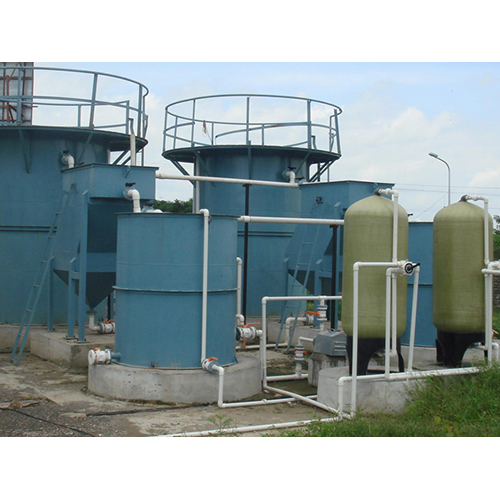
About Sewage Treatment Plant
The process of eliminating impurities from wastewater, especially domestic sewage, is known as sewage treatment. In order to eliminate these impurities and create treated wastewater (also known as treated effluent) that is safe for the environment, it involves physical, chemical, and biological processes. Sewage sludge, a semi-solid waste or slurry that typically results from sewage treatment, requires additional treatment before it can be disposed of or applied to land.
Effluent treatment, which is a more general phrase that can also be used to describe effluent that is solely industrial, is another name for sewage treatment. In order to lessen the pollution load, most cities sewage treatment plants also receive a part of industrial wastewater that has typically been pretreated at the companies. Stormwater from urban runoff will also be sent to the sewage treatment facility if the sewer system is a combined sewer.
It is possible to treat sewage at its source, a process known as "decentralised" or even "on-site" (in septic tanks, biofilters, or aerobic treatment systems). As an alternative, sewage can be gathered and delivered to a municipal treatment facility via a system of pipes and pump stations. Although the lines separating centralised and decentralised systems might be blurred, this system is referred to as "centralised" (see also sewerage, pipelines, and infrastructure). Both "semi-centralized" and "semi-decentralized" are being used as a result.
Key Steps in a Sewage Treatment Process:
-
Pre-treatment (Screening and Grit Removal):
- Screening: Large debris such as rags, plastics, and other solids are removed through coarse screens.
- Grit Removal: In this step, heavy particles like sand and other gritty materials are settled out, preventing damage to equipment and reducing clogging.
-
Primary Treatment:
- Involves the removal ofsuspended solidsandorganic matter.
- The sewage flows into large tanks where solids settle to the bottom, and lighter substances like oils and grease float to the surface and are skimmed off.
- This phase removes about 60-70% of the suspended solids and a small portion of organic pollutants.
-
Secondary Treatment (Biological Treatment):
- The primary-treated effluent is then subjected tobiological treatmentto remove dissolved and suspended organic matter.
- Activated Sludge Process: The effluent is aerated (air is pumped in) to encourage the growth of microorganisms that break down organic pollutants. The microbes digest the organic material, converting it into biomass (sludge).
- Trickling Filters: Alternatively, wastewater may pass over a bed of bacteria-laden material that breaks down the organic matter.
- This process significantly reduces the Biological Oxygen Demand (BOD) and chemical oxygen demand (COD), which indicates the level of pollution in the water.
-
Tertiary Treatment (Advanced Treatment):
- After secondary treatment, further treatment may be needed, depending on the quality of the effluent and the intended use of the treated water.
- Filtration: Sand filters or membrane filters are used to remove any remaining fine particles.
- Disinfection: To eliminate harmful pathogens, the treated water may undergochlorinationor be treated withUV (Ultraviolet) light.
- In some cases, processes likereverse osmosisoractivated carbon filtrationare used for high-quality effluent, particularly if the treated water is intended for reuse.
-
Sludge Treatment:
- The sludge produced during primary and secondary treatment is thickened and processed. It may be further treated through:
- Anaerobic Digestion: Microorganisms break down organic matter in the absence of oxygen, producing biogas (which can be used for energy).
- Dewatering: Sludge is dewatered using centrifuges, filter presses, or drying beds.
- Composting: In some cases, the treated sludge can be composted to reduce volume and create a useful byproduct.
-
Final Disposal or Reuse:
- After treatment, the effluent can be safely discharged into rivers, lakes, or oceans, or reused for purposes such as agricultural irrigation, industrial cooling, or landscaping.
- The treated sludge is either landfilled, composted, or used for other beneficial purposes, depending on its final quality.
Importance of Sewage Treatment Plants:
- Environmental Protection: Prevents untreated sewage from contaminating water bodies, reducing water pollution, and protecting aquatic ecosystems.
- Public Health: Reduces the risk of waterborne diseases by removing pathogens and harmful bacteria from sewage.
- Resource Recovery: Potential for resource recovery through biogas production, nutrient recycling, and water reuse.
Types of Sewage Treatment Plants:
- Conventional Activated Sludge (CAS): Uses aeration tanks to treat wastewater biologically.
- Sequencing Batch Reactor (SBR): A type of activated sludge process that treats wastewater in batches rather than continuously.
- Membrane Bioreactors (MBR): A more advanced system that integrates membrane filtration with biological treatment.
- Moving Bed Biofilm Reactor (MBBR): A compact biological treatment method using suspended plastic media to house microbial communities for wastewater treatment.
Overall, sewage treatment plants are critical for maintaining public health, safeguarding the environment, and contributing to sustainable water management practices
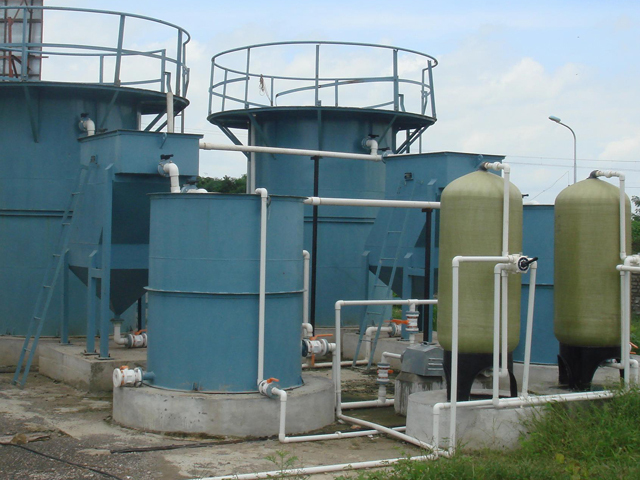
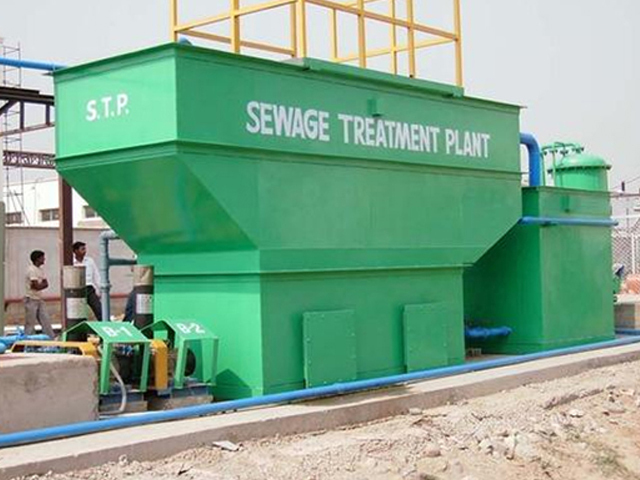
Cutting-Edge Sewage Treatment TechnologyEngineered with advanced semi-automatic technology, this sewage treatment plant is optimized for water purification in both industrial and municipal settings. The system operates efficiently on electricity and is constructed from top-grade stainless steel, ensuring resistance to corrosion and prolonged operational life.
Versatile Applications and Reliable SupportIdeal for treating bore well water, our plants design caters to diverse water treatment needs. Backed by a 1-year warranty and comprehensive service support, clients across India can count on our expertise, whether sourcing equipment or requiring maintenance for long-term system stability.
FAQs of Sewage Treatment Plant:
Q: How does the sewage treatment plant process bore well water?
A: The plant uses a combination of mechanical and biological semi-automatic processes powered by electricity to remove contaminants from bore well water, resulting in purified output suitable for water treatment applications.
Q: What technology is incorporated in this sewage treatment plant?
A: Our system integrates advanced treatment modules and semi-automatic features, ensuring efficient wastewater management. The stainless steel construction enhances durability and minimizes corrosion risks during operation.
Q: When should I use this sewage treatment plant for water treatment?
A: This plant is ideal whenever you need to purify water from bore wells for municipal, industrial, or commercial applications, particularly where high water quality and regulatory compliance are required.
Q: Where can the sewage treatment plant be installed?
A: It is suitable for installation at industrial sites, commercial buildings, municipal water treatment facilities, and any location requiring reliable bore well water purification. The compact design accommodates various installation environments.
Q: What are the operational benefits of the semi-automatic sewage treatment plant?
A: The semi-automatic operation requires minimal manual intervention while maintaining consistent performance. It reduces labor costs, improves efficiency, and streamlines the maintenance process, thanks to its modern control systems.
Q: How does using this sewage treatment plant benefit water management?
A: By effectively removing pollutants from bore well water, the plant promotes sustainable water management, supports compliance with safety standards, and enables reuse, thereby conserving resources and reducing environmental impact.








 Send Inquiry

 Send Inquiry
